
What Happens During an Epileptic Seizure?
A Neurologist Explains
Epileptic seizures can be alarming for both patients and their families, especially when they occur unexpectedly. Understanding what happens during a seizure can help reduce fear and ensure timely medical intervention. As healthcare professionals at CNS Hospital, we believe that awareness is the first step toward effective treatment and management. If you or a loved one experiences seizures, consulting the Best neurologist in Nashik can help identify the underlying cause and provide appropriate treatment.
What Is an Epileptic Seizure?
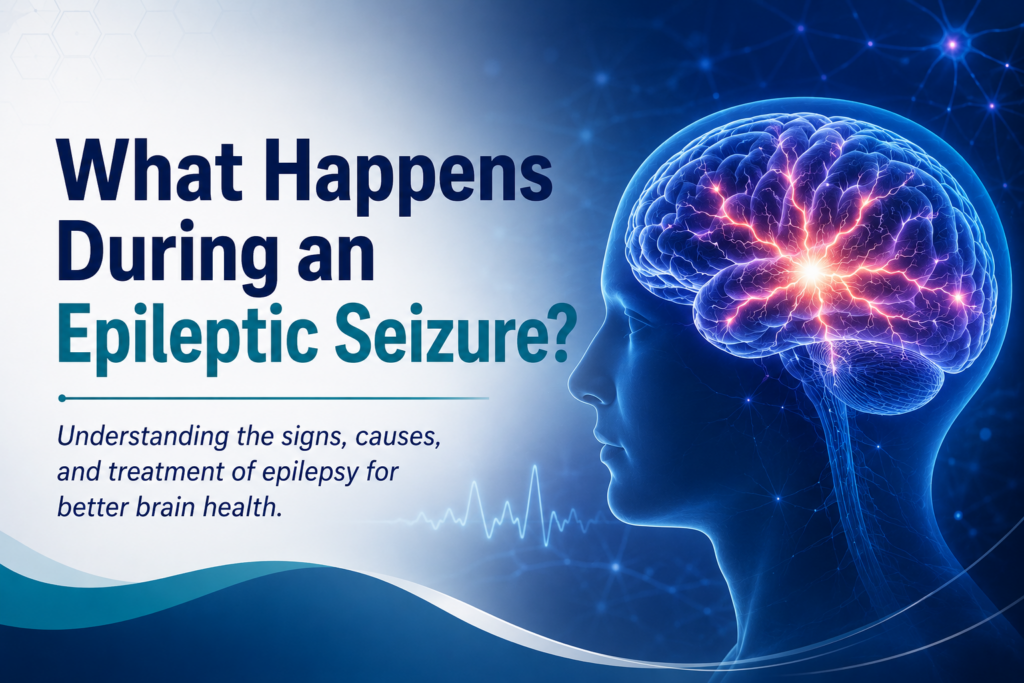
An epileptic seizure occurs when there is a sudden burst of abnormal electrical activity in the brain. This disruption affects the way brain cells communicate with each other, leading to temporary changes in movement, behavior, sensation, awareness, or consciousness.
It is important to understand that a seizure is a symptom, while epilepsy is a neurological condition characterized by recurrent, unprovoked seizures. Not everyone who experiences a seizure has epilepsy, but recurring seizures require a thorough neurological evaluation.
What Is an Epileptic Seizure?
An epileptic seizure occurs when there is a sudden burst of abnormal electrical activity in the brain. This disruption affects the way brain cells communicate with each other, leading to temporary changes in movement, behavior, sensation, awareness, or consciousness.
It is important to understand that a seizure is a symptom, while epilepsy is a neurological condition characterized by recurrent, unprovoked seizures. Not everyone who experiences a seizure has epilepsy, but recurring seizures require a thorough neurological evaluation.
What Happens in the Brain During a Seizure?
The human brain relies on billions of nerve cells that communicate through electrical signals. Under normal conditions, these signals work in an organized manner to control thoughts, movements, emotions, and bodily functions.
During an epileptic seizure, these electrical signals become disrupted and excessively synchronized. Depending on the area of the brain involved, a seizure may affect movement, speech, memory, vision, emotions, or consciousness.
At CNS Hospital, our team utilizes advanced neurological assessments and diagnostic tools to understand the source of abnormal brain activity and create personalized treatment plans for patients seeking epilepsy treatment in Nashik.
Common Signs and Symptoms of an Epileptic Seizure
Physical Symptoms
Many individuals experience noticeable physical symptoms during a seizure, including:
- Sudden muscle stiffness
- Uncontrolled jerking movements
- Loss of consciousness
- Falling unexpectedly
- Repetitive body movements
Sensory and Emotional Symptoms
Some patients experience unusual sensations before a seizure, known as an aura. These may include:
- Strange smells or tastes
- Tingling sensations
- Visual disturbances
- Feelings of fear or anxiety
- Déjà vu experiences
Symptoms After a Seizure
Once the seizure ends, patients may enter a recovery phase called the postictal state. Common symptoms include:
- Extreme tiredness
- Headache
- Temporary confusion
- Difficulty speaking
- Memory lapses
If these symptoms occur repeatedly, consulting a neurologist for seizures in Nashik can help determine whether epilepsy is the underlying cause.
Different Types of Epileptic Seizures
Understanding seizure types is essential for accurate diagnosis and treatment.
Focal Seizures
Focal seizures originate in one specific area of the brain. Symptoms may include:
- Sudden emotional changes
- Involuntary muscle movements
- Altered awareness
- Sensory disturbances
Patients may remain conscious or experience impaired awareness depending on the affected brain region.
Generalized Seizures
Generalized seizures involve both sides of the brain simultaneously. Common forms include:
Tonic-Clonic Seizures
These are among the most recognizable seizures and may involve:
- Loss of consciousness
- Body stiffening
- Rhythmic jerking movements
Absence Seizures
These seizures often appear as brief staring spells and are more common in children.
Patients seeking advanced epilepsy care in Nashik often require specialized evaluation to determine the exact seizure type for effective treatment planning.
What Can Trigger an Epileptic Seizure?
While some seizures occur without an obvious trigger, several factors can increase the likelihood of seizure activity.
Common triggers include:
- Sleep deprivation
- Physical or emotional stress
- Missed epilepsy medications
- Fever and infections
- Excessive alcohol consumption
- Flashing lights in photosensitive individuals
Identifying and avoiding personal triggers can significantly improve seizure control.
What Should You Do When Someone Has a Seizure?
Knowing how to respond during a seizure can prevent injuries and complications.
Steps to Take
If someone experiences a seizure:
- Remain calm.
- Move nearby objects away from the person.
- Gently place them on their side.
- Loosen tight clothing around the neck.
- Monitor the duration of the seizure.
What Not to Do
Avoid the following actions:
- Do not restrain the person.
- Do not place anything in their mouth.
- Do not offer food or water until they are fully alert.
- Do not attempt to stop their movements.
Providing proper first aid can make a significant difference while waiting for medical assistance.
When Should You Seek Emergency Medical Help?
Immediate medical attention is necessary if:
- The seizure lasts longer than five minutes.
- Multiple seizures occur without recovery between episodes.
- The person has difficulty breathing.
- It is their first seizure.
- Serious injury occurs during the event.
At CNS Hospital, our emergency neurology team is equipped to provide prompt care for seizure-related emergencies and neurological disorders treatment in Nashik.
How Is Epilepsy Diagnosed?
A comprehensive diagnosis helps identify the cause and type of epilepsy.
A comprehensive diagnosis helps identify the cause and type of epilepsy.
Doctors evaluate:
- Seizure frequency
- Duration
- Associated symptoms
- Family medical history
Neurological Examination
A detailed neurological assessment helps identify abnormalities in brain and nervous system function.
EEG Testing
An Electroencephalogram (EEG) records brain electrical activity and helps detect seizure-related abnormalities.
Brain Imaging
Advanced imaging tests such as MRI and CT scans help identify structural changes or abnormalities in the brain.
Our specialists at CNS Hospital use state-of-the-art diagnostic technologies to ensure accurate diagnosis and treatment planning.
Treatment Options for Epilepsy
Epilepsy treatment depends on the seizure type, frequency, and underlying cause.
Medications
Anti-seizure medications are often the first line of treatment and can effectively control seizures in many patients.
Lifestyle Management
Patients are encouraged to:
- Maintain regular sleep schedules
- Manage stress effectively
- Avoid known seizure triggers
- Follow medication schedules consistently
Advanced Treatment Options
For patients with difficult-to-control epilepsy, advanced treatments may include:
- Epilepsy surgery
- Vagus Nerve Stimulation (VNS)
- Responsive Neurostimulation (RNS)
- Specialized dietary therapies
Individuals looking for comprehensive neurological care in Nashik can benefit from personalized treatment plans offered by experienced specialists.
Can People with Epilepsy Live a Normal Life?
Yes. With proper diagnosis, treatment, and ongoing medical supervision, many people with epilepsy lead healthy and productive lives.
Patients can pursue education, careers, relationships, and recreational activities while successfully managing their condition. Regular follow-ups and adherence to treatment recommendations play a vital role in long-term seizure control.
At CNS Hospital, we are committed to helping patients achieve a better quality of life through advanced neurological care, compassionate support, and evidence-based treatment strategies.
Conclusion
Understanding what happens during an epileptic seizure empowers patients and caregivers to recognize symptoms, respond appropriately, and seek timely medical attention. Early diagnosis and proper treatment can significantly improve outcomes and reduce the impact of epilepsy on daily life. If you are experiencing seizures or have concerns about neurological health, CNS Hospital encourages you to consult the Best neurologist in Nashik for expert evaluation and personalized epilepsy care.
FAQs
Early signs may include unusual sensations, confusion, staring spells, muscle twitching, or an aura before the seizure begins.
Most seizures last between 30 seconds and 2 minutes, although durations can vary depending on the type.
No. A single seizure does not necessarily indicate epilepsy. Recurrent unprovoked seizures are typically required for an epilepsy diagnosis.
Ensure their safety, place them on their side, monitor the seizure duration, and seek medical help if necessary.
Yes. Many patients achieve excellent seizure control through medications, lifestyle modifications, and advanced treatment options
You should consult a neurologist if you experience a first-time seizure, recurrent seizures, unexplained loss of consciousness, or other neurological symptoms.